





When to Change Engine Oil? Why Regular Oil Changes Matter
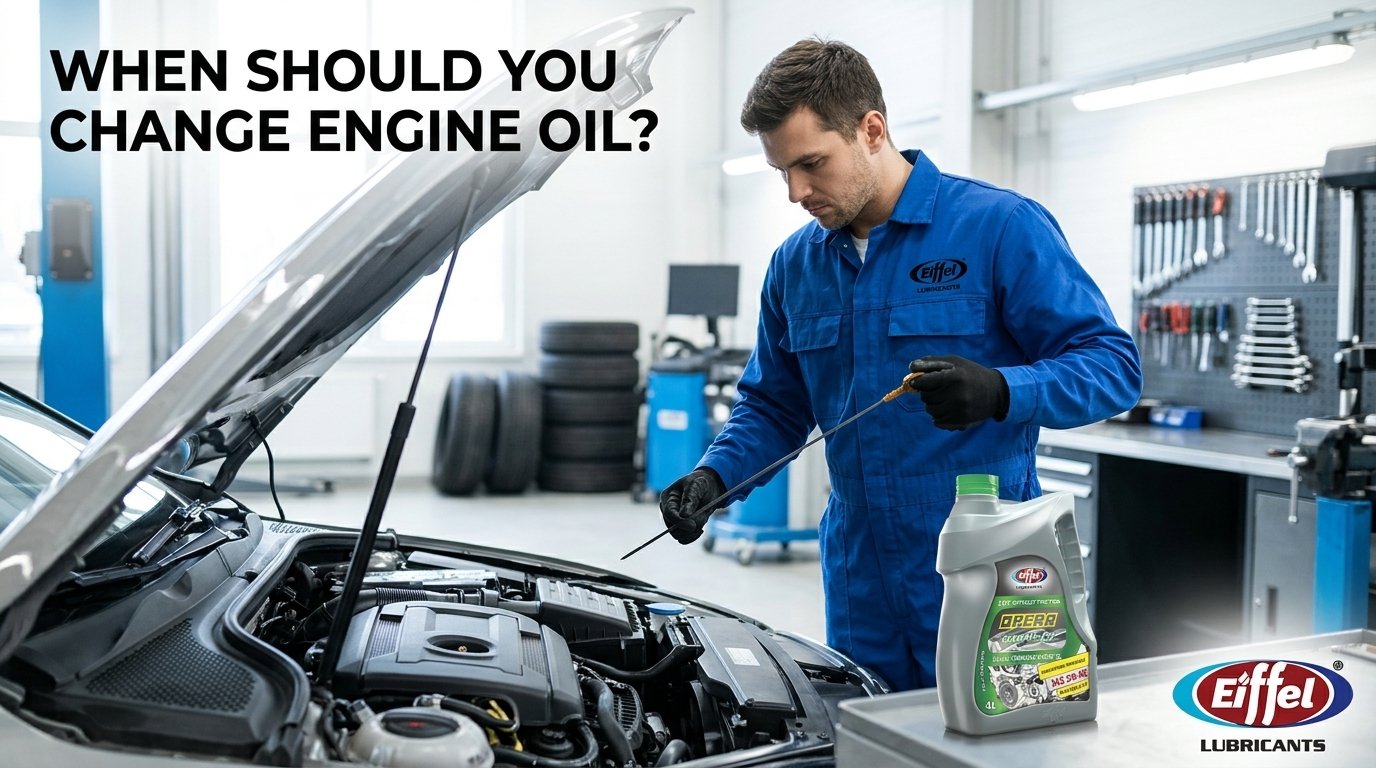
This question might have come to your mind: Why do you need to change the engine oil regularly? Why do we need to spend money on engine oils regularly? Does engine oil really play an important part in your driving experience?
If yes, then today all your doubts about engine oils will become clear.
Definitely, engine oil is one of the most important fluids in your car. It helps lubricate moving engine parts, reduce friction, carry heat away and protect engine components from wear.
Not changing engine oil according to the recommended service interval can cause serious engine problems that you may be able to avoid through proper maintenance.
If you ask a car enthusiast, expert, mechanic or long-time car owner, they will tell you that engine oil plays an essential role in keeping an engine running properly.
You need regular oil changes to help protect your engine, maintain its performance and avoid unnecessary repair costs.
Assuming that you have just got your driving licence or do not have the necessary knowledge about engine oils, below we explain why you need to change engine oil regularly.
There are many factors to consider when understanding the importance of regular engine oil changes. Here are five reasons why you should follow the recommended engine oil change interval.
There is no better feeling than having an engine that runs smoothly. Engines contain many moving parts that operate at high speeds. These moving parts create friction and heat.
Regularly changing engine oil according to the vehicle manufacturer's recommendations helps maintain proper lubrication and reduce friction between moving components.
Engine oil also helps carry away contaminants and deposits. Over time, oil can become contaminated and lose some of its protective properties. Using the correct engine oil and changing it at the recommended interval helps maintain engine performance.
Everyone loves a cleaner environment. Proper vehicle maintenance, including regular engine oil changes, can help keep an engine operating as designed.
Old or degraded engine oil may not provide the same level of protection and lubrication as fresh oil. Poor engine condition can contribute to increased emissions.
Following the recommended engine oil change schedule is one part of responsible vehicle maintenance.
Regular engine oil changes help maintain proper lubrication inside the engine. When the correct oil is used, it helps reduce unnecessary friction between moving components.
However, changing engine oil does not guarantee an improvement in fuel mileage. Fuel efficiency also depends on driving habits, vehicle condition, tyre pressure, engine health and other factors.
Following the correct engine oil maintenance schedule can help your vehicle operate as intended.
Oil changes provide an opportunity to check the general condition of your vehicle.
When you take your car to a mechanic for an engine oil change, you can also ask them to inspect other important components and identify possible problems early.
Regular maintenance may help prevent avoidable damage and reduce the risk of expensive repairs.
We all love a car that runs for years without major problems. To help achieve this, one of the first steps is selecting the correct engine oil.
The right engine oil depends on your vehicle's engine design, viscosity requirements and manufacturer's specifications.
Regular oil changes help maintain lubrication and protect engine components from excessive wear. Using the correct oil and following the recommended service interval can support long-term engine reliability.
Checking your engine oil level is easier than you might think. Follow these five steps to check whether your engine oil level is within the recommended range.
Park your vehicle on level ground and switch off the engine. Follow your vehicle owner's manual for the correct waiting time before checking the oil level.
Some manufacturers recommend checking the oil when the engine is warm after a short waiting period, while others specify a different procedure.
Ensure that all sides of your car are on a level surface. Avoid checking the oil on a slope or inclined surface, as this can affect the reading.
Open your car's bonnet and locate the engine oil dipstick. It often has a coloured handle, which may be yellow or orange, depending on the vehicle.
Remove the dipstick and wipe it clean with a lint-free cloth. Make sure there is no dirt or dust on it.
After cleaning the dipstick, insert it fully back into its tube. Remove it again and check the oil level against the markings.
The markings usually show minimum and maximum levels, such as MIN and MAX or L and H.
If the oil level is below the recommended range, top it up carefully using the correct engine oil specified by your vehicle manufacturer.
Do not overfill the engine. If the oil level is above the maximum mark, seek professional advice rather than adding more oil.
Changing engine oil at the recommended interval helps protect your car's engine and supports reliable performance.
Eiffel Lubricants offers a range of lubricant products for different automotive and industrial applications. Contact us to learn more about our lubricant solutions and product range.
1 Comment
I like this site it’s a master piece! Glad I noticed this ohttps://69v.topn google.Raise your business