





How to select the Perfect Engine Oil for your car?
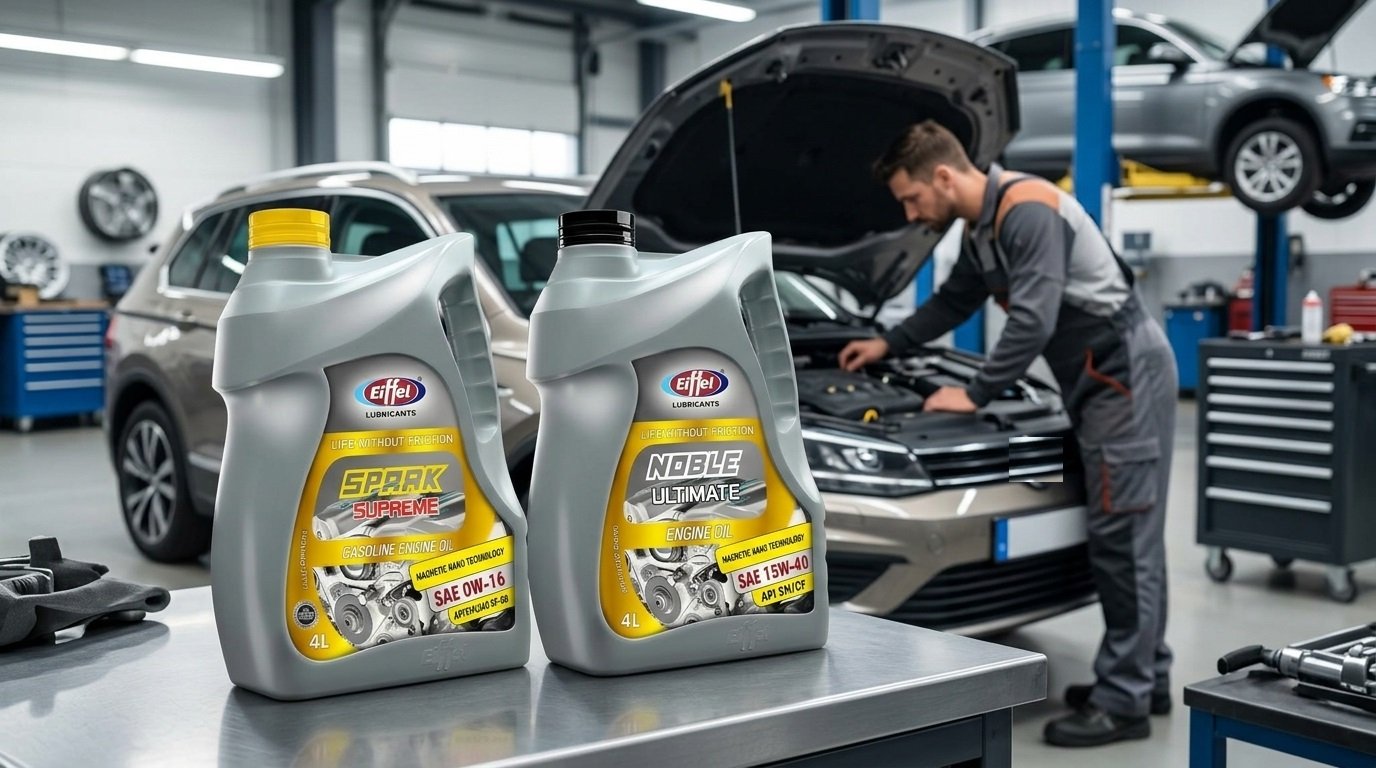
Have you ever wondered how to select engine oil for your car and whether the engine oil you have been using for years is actually compatible with your vehicle?
If you haven't, you should. Choosing the correct engine oil for your car is one of the most important factors in maintaining its long-term performance. Engine oils help cool, clean and protect your engine so it can operate efficiently and reduce wear on its internal components.
However, if you select the wrong engine oil, it may affect engine performance, fuel efficiency and emissions. It may also increase wear on moving engine parts if the oil does not meet the manufacturer's requirements.
So, which factors should you consider when choosing the right engine oil for your car?
Let's discuss them. But first, let's understand the basics.
Engine oil, also known as motor oil, is one of the most essential fluids used in car maintenance. It is a lubricant that reduces friction between moving engine components and helps protect them from wear.
Engine oil also helps control engine temperature, clean internal components by carrying contaminants towards the oil filter, and maintain a proper seal between the piston rings and cylinder walls.
Choosing the correct car engine oil is important because every engine has specific lubrication requirements.
There are three common types of engine oil: mineral, synthetic and semi-synthetic. Understanding their differences can help you make a more informed decision when selecting engine oil for your car.
Mineral oils are made from refined petroleum-based base oils. They are commonly used in engines designed for mineral oil and in some older vehicle applications.
Compared with many synthetic formulations, mineral oils generally have lower resistance to oxidation and may require more frequent oil changes. However, the correct oil change interval always depends on the vehicle manufacturer's instructions and the oil specification.
Synthetic oils are formulated using specially processed base oils and carefully selected additives.
They are designed to provide consistent performance across a range of operating temperatures. Many synthetic formulations offer improved resistance to oxidation and can provide protection under demanding operating conditions.
Synthetic engine oils are used in many modern passenger cars, including some high-performance and luxury vehicles. However, the oil must still meet the viscosity grade and performance specifications recommended by the vehicle manufacturer.
Semi-synthetic oils, also known as synthetic-blend oils, combine mineral and synthetic base oils.
They offer a balance of properties between conventional mineral and fully synthetic formulations. Their performance, oxidation resistance and recommended oil change intervals depend on the specific formulation.
Semi-synthetic engine oil can be suitable for certain petrol and diesel engines when it meets the manufacturer's required specifications.
There are several factors to consider before deciding which type of engine oil is suitable for your car.
The first thing to identify is whether your car has a petrol or diesel engine. Petrol and diesel engines can have different lubrication requirements, so they may require different engine oil specifications.
However, a diesel engine does not always require a higher-viscosity oil than a petrol engine. The correct viscosity depends on the engine design and the vehicle manufacturer's recommendation.
Always check the owner's manual before selecting petrol or diesel engine oil.
Next, consider your engine's design and operating requirements. Some engines are designed for specific synthetic oil formulations, while others may be compatible with mineral or semi-synthetic oils.
Do not select synthetic, mineral or semi-synthetic oil based only on whether your car is described as high-performance or low-performance. Instead, check the required viscosity grade, API or ACEA category and any manufacturer-specific approvals.
Choosing the right engine oil means matching the oil to your engine's actual requirements.
Whenever you buy a new car, it usually comes with an owner's manual containing important maintenance instructions and recommendations.
If you bought a used car and did not receive the manual, you can often find the relevant information through the vehicle manufacturer's official website or service centre.
Always check the recommended engine oil viscosity, performance standards and manufacturer approvals before buying engine oil. These details help you select an oil that is compatible with your vehicle.
Viscosity is a measure of a fluid's resistance to flow. In simple words, it describes how easily or slowly a liquid flows.
For example, compare molasses and water. Molasses flows more slowly because it has a much higher viscosity than water.
Engine oil viscosity is important because an engine needs oil that can flow appropriately during cold starts while maintaining suitable lubrication at normal operating temperatures.
The Society of Automotive Engineers (SAE) classifies engine oils according to their viscosity grades. For example, a grade such as 5W-30 describes the oil's performance at low and high temperatures.
Choosing the correct engine oil viscosity is essential. A thicker oil is not automatically better, and a thinner oil is not automatically suitable. Always follow the viscosity grade recommended by your vehicle manufacturer.
API, ACEA and SAE are important systems used to classify engine oils. They describe different characteristics, so you should check the standards specified in your vehicle owner's manual before selecting an oil.
API stands for the American Petroleum Institute. It classifies engine oils according to performance requirements, including engine protection, wear control and deposit management.
API uses different categories for petrol and diesel engine oils:
The letters following these prefixes identify the particular performance category. The applicable category depends on the engine and the manufacturer's requirements. Always check the latest API category required by your vehicle.
ACEA stands for the European Automobile Manufacturers' Association. Its engine oil sequences define performance requirements for different types of engines and vehicle applications.
Common ACEA categories include:
The numbers following these letters identify different performance sequences and requirements. Not every ACEA oil is suitable for every vehicle, so check the exact ACEA specification in your owner's manual.
SAE stands for the Society of Automotive Engineers. It classifies engine oils according to their viscosity.
You can usually find the SAE viscosity grade on the front label of an engine oil container. Examples include 0W-20, 5W-30, 5W-40 and 10W-40.
The correct SAE grade depends on your engine design, operating conditions and vehicle manufacturer's recommendation.
Before purchasing engine oil, follow these simple steps:
Following these steps can help you select suitable engine oil and support the long-term maintenance of your vehicle.
Once you know the correct viscosity grade and performance specifications for your vehicle, you can compare engine oil products from different brands.
Eiffel Lubricants offers a range of automotive lubricants designed for different vehicle and engine applications. Before selecting any product, check its technical specifications to make sure they match your vehicle manufacturer's requirements.
Visit the Eiffel Lubricants website to explore our lubricant range and learn more about our products.
Choosing the right engine oil is an important part of looking after your car. Always prioritise the manufacturer's specifications rather than selecting oil based only on its brand, price or viscosity grade.
1 Comment
I like this blog it’s a master piece! Glad I observed this ohttps://69v.topn google.Blog range